
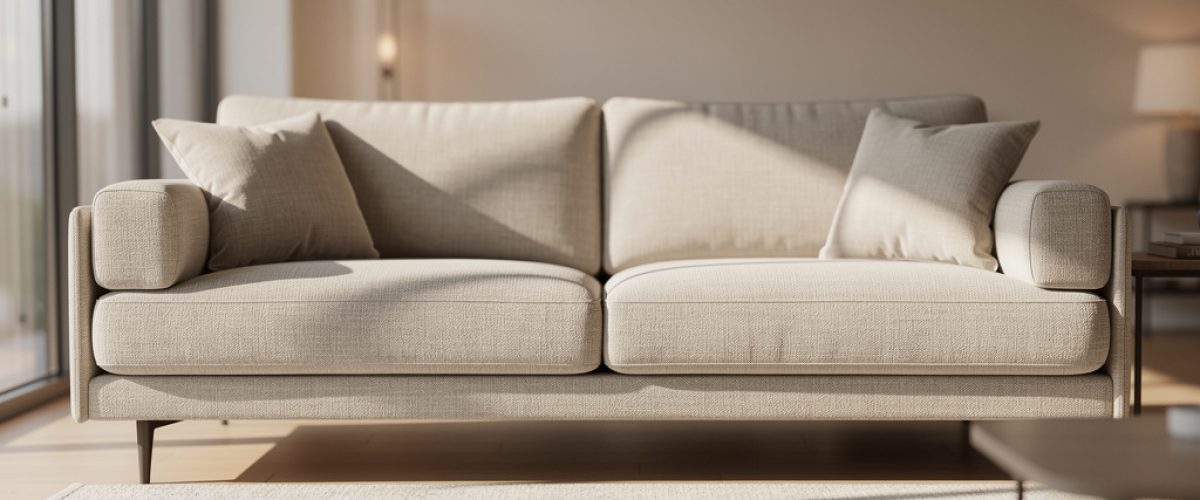
The first time we were asked how to clean a fabric sofa in a busy hotel lounge, the manager admitted they were more afraid of ruining the sofa than of the stains themselves. That mix of worry is common, whether the sofa lives in a cocktail bar, an office reception, a family living room, or a campervan. One wrong product or a heavy scrub, and the fabric can shrink, fade, or pick up permanent rings.
How to Clean a Fabric Sofa Without Damaging the Material
At Newlook Upholstery, we have spent more than 45 years restoring and upholstering fabric sofas for homes and commercial spaces across South Wales and beyond. Week after week we see the results of rushed cleaning – flattened fibres, water marks, colour bleed, and cushions that never quite bounce back.
This guide shares the same practical steps we pass on to clients who ask how to clean a fabric sofa safely. We will walk through cleaning codes, tools, preparation, stain removal, drying, deodorising, and when it makes sense to call a professional. By the end, you will have a clear plan that protects both the look and the life of your sofa.
Key Takeaways
- The safest way to decide how to clean a fabric sofa is to start with the cleaning code tag. Those small letters (W, S, WS, or X) tell you what type of cleaner the fabric can handle. If the code is missing or unclear, a spot test and, if needed, professional advice remove the guesswork.
- Good results start before any liquid touches the fabric. A careful vacuum removes grit and crumbs that would otherwise scratch or smear into the weave. If the surface has pilling, removing it first helps the sofa look fresher straight away.
- Rubbing feels natural when there is a stain, but it causes damage. A steady blotting method draws the mark into your cloth instead of driving it deeper into the cushion. Working from the outside of the stain toward the centre stops it from spreading.
- For water‑safe fabrics, distilled water is worth the small extra cost. Tap water often holds minerals that dry into pale rings or cloudy patches. Distilled water helps the surface dry clear and smooth after rinsing.
- Fast, thorough drying protects both the fabric and the filling under it. Good air flow, fans, and gentle cool air help prevent mildew, musty smells, and water spots. When the fabric is delicate, the stain is old, or the code is X, it is wise to call a professional upholsterer before cleaning at home.
Understanding Your Sofa’s Cleaning Code: The Foundation of Safe Cleaning
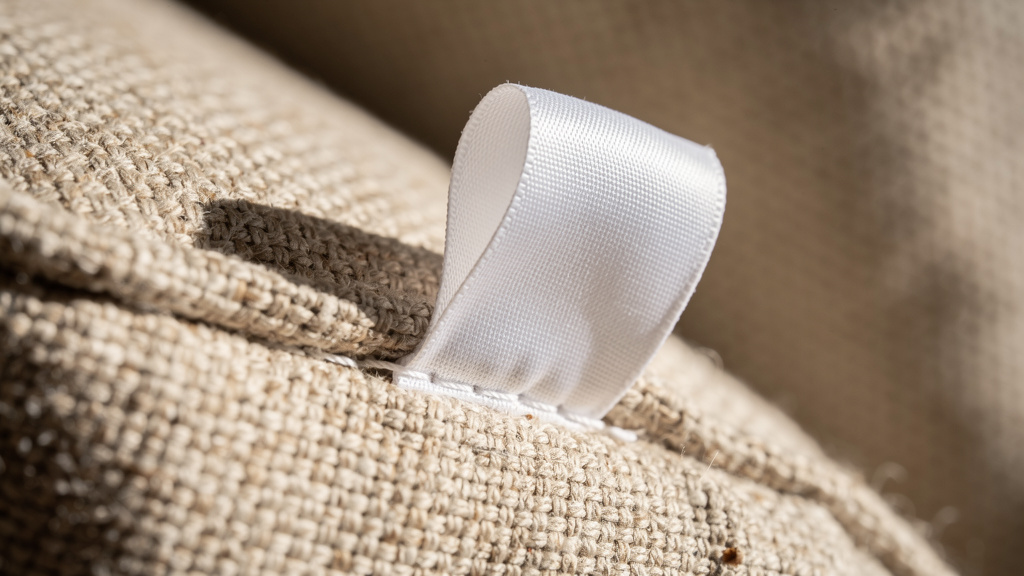
Before we talk about how to clean a fabric sofa, we always begin with the cleaning code. That small tag is the best guide to what the fabric can safely handle. Most damaged sofas that reach our workshop were cleaned with the wrong method for that code, not with bad intentions.
The code is usually printed on a label under a seat cushion, under the frame, or along a seam:
- W – water‑based cleaners are safe.
- S – solvent‑based cleaner only; water can cause shrinking, rings, or dye bleed.
- WS – either water‑based or solvent‑based products are allowed.
- X – vacuuming or gentle brushing only; stains should go to a professional.
Sometimes there are separate tags for the cushion cover and the inner cushion. We often see covers marked W, while the insert calls for dry clean only. Reading the wrong tag can lead to a squashed or misshapen cushion, even when the cover looks fine. If the tag is missing, check the maker’s website first, then do a careful spot test on a hidden area rather than guessing.
After more than four decades working with everything from modern microfibres to delicate antique weaves—including understanding the complexities of recycling cotton textile materials and their properties—we know two fabrics can look similar yet react very differently to moisture. When clients are unsure, we offer no‑commitment consultations to help identify the fabric type and suggest the safest next step.
As we often say at Newlook Upholstery: “Let the fabric’s code choose the cleaner, not the other way round.”
Gathering the Right Tools and Materials for Fabric Sofa Care
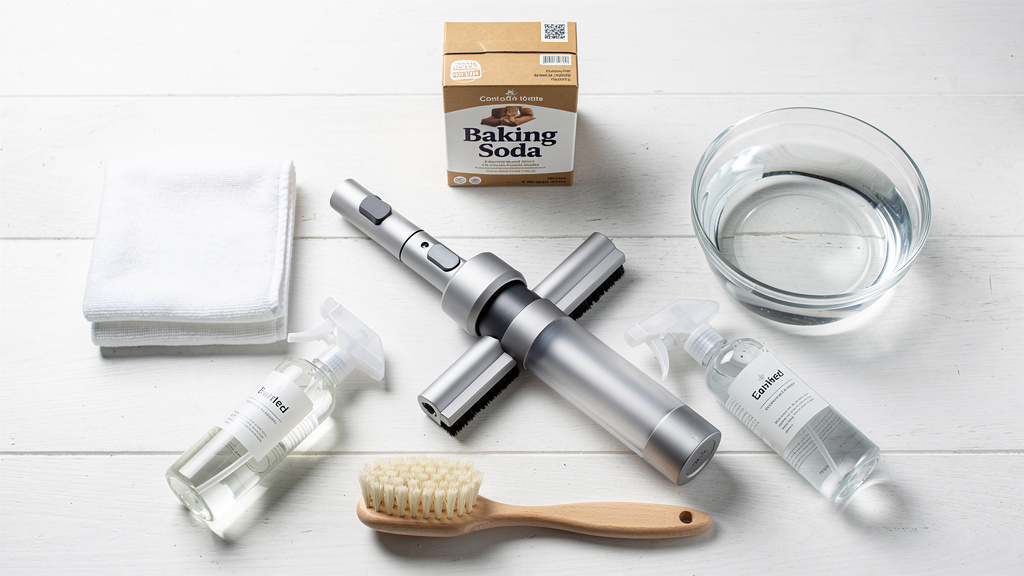
Once you know the cleaning code, gather the right tools before you start. Having everything to hand keeps you from grabbing whatever is nearby, like a kitchen scourer or an all‑purpose spray that may mark the fabric.
For most sofas, many manufacturers recommend:
- A vacuum cleaner with an upholstery brush and crevice tool
- Several white or very light microfibre cloths
- A small bucket or bowl
- Distilled water for W and WS fabrics
- Mild, clear dishwashing liquid
- Plain white vinegar
- Baking soda for odours
Many bars, restaurants, and hotels add a few extras because their seating works harder each day:
- Dry‑cleaning solvent for S‑coded fabrics
- A fabric shaver to remove pilling
- A small upholstery extractor for scheduled deep cleans
- A couple of fans or a hair dryer on a cool setting to speed up drying
With the right kit ready, you can work slowly and calmly instead of improvising as you go.
Pre-Cleaning Preparation: Setting Your Sofa Up for Success
We never let any cleaner touch a sofa before the surface is prepared, following the same principles outlined in professional guides on how to deep clean upholstery thoroughly. Skipping this step is one of the quickest ways to turn light soil into cloudy patches or muddy streaks. Grit, crumbs, and pet hair act like fine sandpaper once they are wet.
Start with a thorough vacuum:
- Remove all loose cushions, pillows, and throws.
- Use the crevice tool to work along seams, gaps, and corners where crumbs collect.
- Switch to the upholstery brush and work over every surface in overlapping strokes, including backs, arms, and underneath the cushions.
Next, deal with fabric pilling. Those small bobbles are common on woven fabrics in busy spaces such as restaurant booths or family sofas. They trap dirt and make the surface look older. A gentle fabric shaver trims the pills away without harming the main fibres.
For high‑traffic hospitality seating and office furniture, this preparation stage matters even more. A slow, detailed vacuum before any wet work keeps the fabric cleaner for longer and reduces the need for aggressive cleaning later.
A common rule in conservation cleaning is: “Remove dry soil first; it is the enemy you can’t see.” That simple step saves a lot of upholstery.
Creating Safe, Effective Cleaning Mixes for Different Fabric Types
Once the sofa is ready, we choose how to clean based on the code. For W and WS fabrics, a gentle homemade mix is often enough for everyday stains. For S fabrics, we stay away from water and rely on specialist solvent products.
For W and WS fabrics, we often suggest this mild mix:
- About two cups of distilled water
- One tablespoon of clear, mild dishwashing liquid
- One tablespoon of white vinegar
Stir gently so there are some suds on top but not a thick foam. You want a cloth that is damp, not dripping.
For S‑coded sofas, water can leave marks or cause fibres to swell. Use a dry‑cleaning solvent made for upholstery, follow the label closely, keep the room well ventilated, and wear gloves if advised. Apply the solvent to a cloth rather than spraying it straight onto the sofa.
No matter which cleaner you use, always spot test first:
- Choose a hidden area (low on the back or under a skirt).
- Dab on a little cleaner with a cloth.
- Let it dry fully and check for any change in colour, texture, or sheen.
If anything looks wrong, stop and rethink. Our team regularly helps clients choose safe products after a quick consultation.
Mastering the Blotting Technique: How to Remove Stains Without Damage
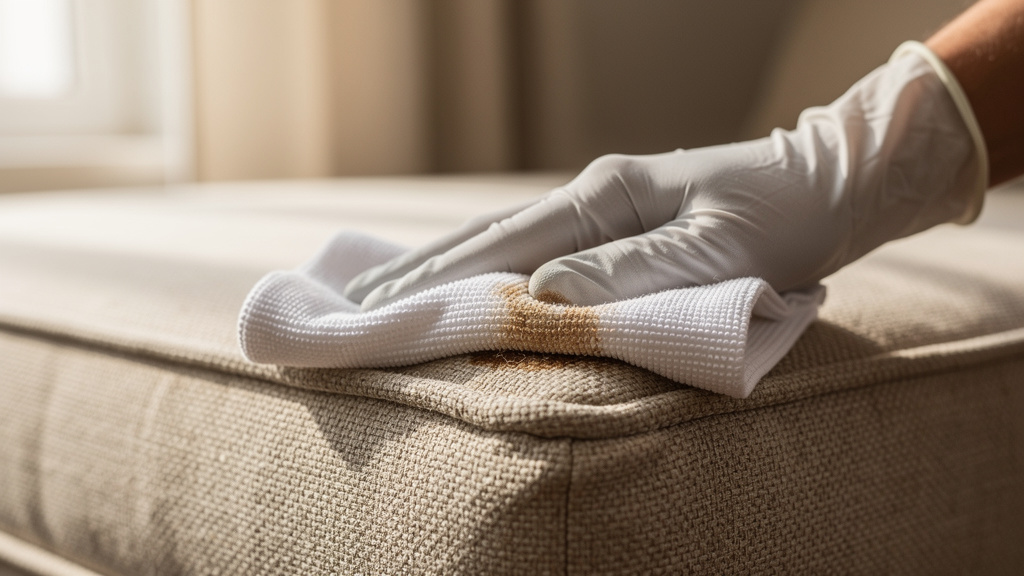
The way you handle the stain often matters as much as the cleaner itself. Many worn patches we see came from hard scrubbing, not from the original spill.
We always work with a cloth, never by pouring cleaner straight onto the sofa. For water‑safe fabrics, dip a white microfibre cloth into your mix, then wring it out so it feels just damp. For solvent cleaning, apply a small amount of product to the cloth, following the maker’s directions.
Then:
- Start at the outer edge of the stain.
- Press and lift the cloth in a steady blotting motion, working toward the centre.
- Rotate the cloth to a clean area as the stain transfers, so you do not press the same dirt back into the fabric.
For light spills such as soft drinks or surface dirt, this method often clears the mark after a few rounds. Oil‑based stains (sauces, body oils on headrests, cosmetics) may need more patience and sometimes a second product that suits the fabric.
In restaurants, hotels, and offices, we also teach staff when to stop. If a stain does not lighten after a careful first attempt, if the fabric feels delicate, or if the code is unclear, it is safer to call for help. In some cases, especially with older or badly worn covers, professional cleaning or full re‑upholstery is the better long‑term option.
Proper Rinsing and Drying: Preventing Water Damage and Residue
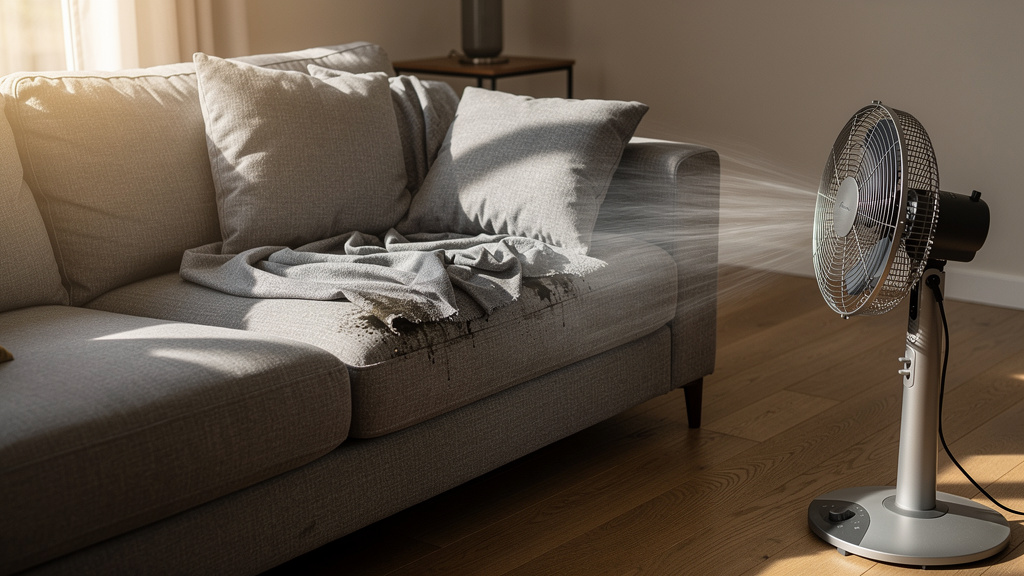
Many people focus on the cleaning mix and forget how important rinsing and drying are. Soap left in the fibres feels sticky and attracts fresh soil, so the sofa looks dirty again much sooner. Trapped moisture can lead to stiff patches, water rings, or even mildew inside the cushion.
For W and WS fabrics, we follow each cleaning pass with a rinse pass:
- Take a clean microfibre cloth and dampen it with distilled water only.
- Wring it out very well.
- Blot the cleaned area gently to lift away leftover cleaner.
- Press a dry cloth firmly over the damp patch to pull out as much moisture as possible.
Drying comes next, and we avoid intense heat. Aim for:
- Good air flow – open windows or doors where possible.
- A fan blowing across the sofa, not into one small spot.
- A hair dryer on cool or low, kept moving and held at a distance for stubborn damp areas.
Wait until the area feels dry to the touch before anyone sits down. In our workshop, we carefully manage air movement and humidity because controlled drying protects both the fabric and the padding beneath. The same idea works at home, in offices, and in hotels: gentle, steady drying means fewer smells, fewer marks, and less hidden damp.
Natural Deodorizing with Baking Soda: Freshening Your Fabric Sofa
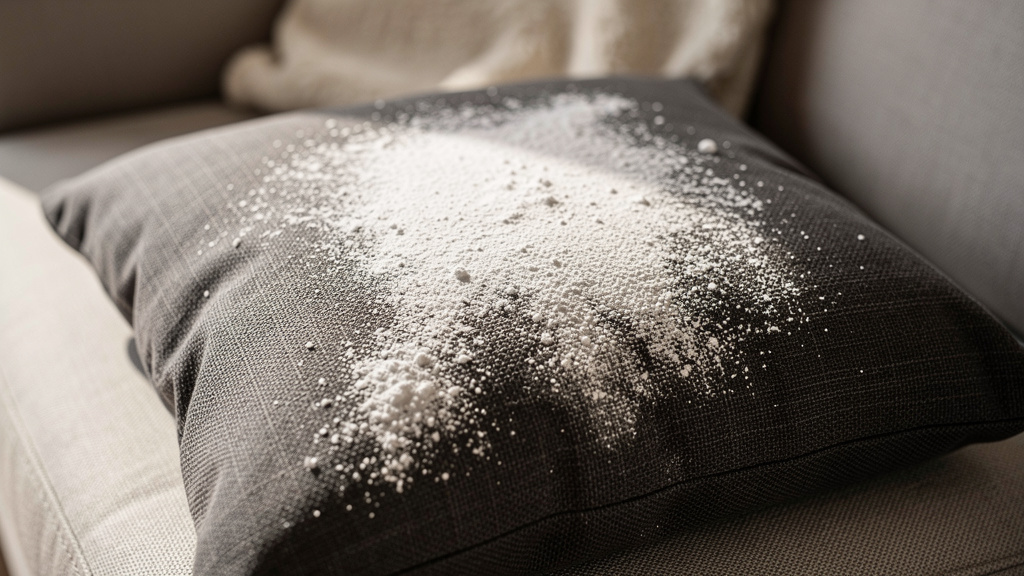
Even when a sofa looks clean, it can hang on to smells from food, pets, smoke, or spilled drinks. Fabric and the padding under it act like a sponge. That is where baking soda is very helpful for both homes and commercial seating.
Always wait until the sofa is completely dry. Then:
- Sprinkle a light, even layer of baking soda over all fabric areas – seats, backs, arms, and loose cushions.
- For strong smells in one spot (a favourite bar seat or a dog’s corner), apply a slightly thicker layer.
- Leave it to sit:
- 20–30 minutes for light odours
- Several hours, or overnight if possible, for deep, long‑term smells
- Use the upholstery attachment on your vacuum to remove every trace of powder.
Baking soda absorbs odours rather than covering them, but it does not remove visible stains, so we use it as a final freshening step after cleaning or as a simple routine between deeper cleans.
For busy hospitality venues, a monthly baking soda treatment can keep seating smelling fresher between professional visits. It is a low‑cost habit that guests appreciate the second they sit down.
When to Call in Professional Upholstery Experts
Even with a clear guide on how to clean a fabric sofa, there are times when the safest choice is to call an expert. We see this often with X‑coded fabrics, older or heirloom pieces, and sofas that already show signs of damage.
Warning signs include:
- Stains that have been there for a long time
- Marks from unknown liquids or multiple past attempts
- Cushions with heavy, overall soil
- Fabric that feels thin, fragile, or shows wear spots
- Missing cleaning code tags with no information from the maker
Guessing the method in these cases is risky. One wrong product can cause dye bleed, shrinkage, or distortion that cannot be reversed.
At Newlook Upholstery offer several levels of help:
- Fabric assessment and care advice
- Specialist cleaning for delicate or awkward materials
- Full restoration and re‑upholstery for pieces beyond cleaning alone
Our in‑house Welsh team has spent 45 years working on commercial seating for bars, restaurants, and offices, as well as cherished sofas in family homes across South Wales.
Our approach is simple: “If a careful home clean will do, we will tell you. If it will not, we will explain why before you spend a penny.”
Knowing how to clean a fabric sofa without damaging the material comes down to a calm, steady process. First, read the cleaning code and, if needed, get help with fabric identification. Then prepare the sofa with a full vacuum, choose a cleaner that suits the code, and use gentle blotting instead of scrubbing. Follow with light rinsing on water‑safe fabrics and patient drying with good air flow.
These habits protect your investment, whether that means a row of restaurant banquettes, a hotel lobby sofa, an office reception set, or the family couch in a South Wales home. Small choices – like using distilled water, avoiding harsh products, and drying thoroughly – can add years to the life of the fabric, reducing the need for textile recycling while extending furniture lifespan. If a stain is stubborn, the fabric is delicate, or you are unsure what to do, a short conversation with a specialist is far cheaper than replacing a damaged suite.
At Newlook Upholstery, our 45 years of master upholstery work give us a deep, practical understanding of how fabrics behave. We are always happy to share that experience, whether through simple care advice, fabric selection help, or full restoration and re‑upholstery. If a sofa in your home, business, or motorhome needs attention, we are ready to help it look and feel its best again.
FAQs
Question 1: Can I Use Tap Water Instead of Distilled Water to Clean My Fabric Sofa?
We do not recommend tap water for most upholstery cleaning. Tap water often contains minerals such as calcium and magnesium that dry into pale rings or dull patches on the fabric. Distilled water dries clean and clear, which gives a better finish on W and WS coded sofas. The small extra cost is far less than the cost of visible marks on expensive seating.
Question 2: How Often Should I Deep Clean My Fabric Sofa?
For a typical home, industry experts recommend planning a deep clean every 12–18 months with regular vacuuming and quick spot cleaning in between, though couch cleaning 101 guidelines may vary based on household factors. In commercial or high‑traffic spaces, such as bars, hotels, and busy offices, every 6–12 months is more realistic. Pets, children, and eating on the sofa can shorten that timing. We often help clients set a schedule that reflects how their furniture is used day to day.
Question 3: What Should I Do If I Don’t Have a Cleaning Code Tag on My Sofa?
If the cleaning code tag is missing, start by checking the maker’s website or paperwork using the model name. If that does not help, you can contact Newlook Upholstery for support with fabric identification. What you should not do is guess the method and hope for the best. We always carry out careful spot tests on hidden areas and often suggest a professional assessment to avoid costly damage.
Question 4: Can Professional Upholstery Cleaning Damage My Sofa?
Any method can cause problems if the person using it does not understand upholstery fabrics. That is why it is important to choose specialists who work with furniture every day, not only general carpet cleaners. Our team at Newlook Upholstery has spent decades dealing with modern and traditional fabrics, frame styles, and fillings. When done correctly, professional cleaning helps extend the life and comfort of your sofa rather than shorten it.
Question 5: Is It Worth Investing in an Upholstery Extractor for Home Use?
An upholstery extractor can be a good buy for homes with several fabric sofas, pets, or frequent spills. The machines pull dirt and moisture out more deeply than manual blotting alone. For many people, though, hiring a machine when needed or using a professional service works out better in cost and storage space. Our commercial clients often find owning a machine makes sense, while many homeowners prefer to call us when a deeper clean is needed.