
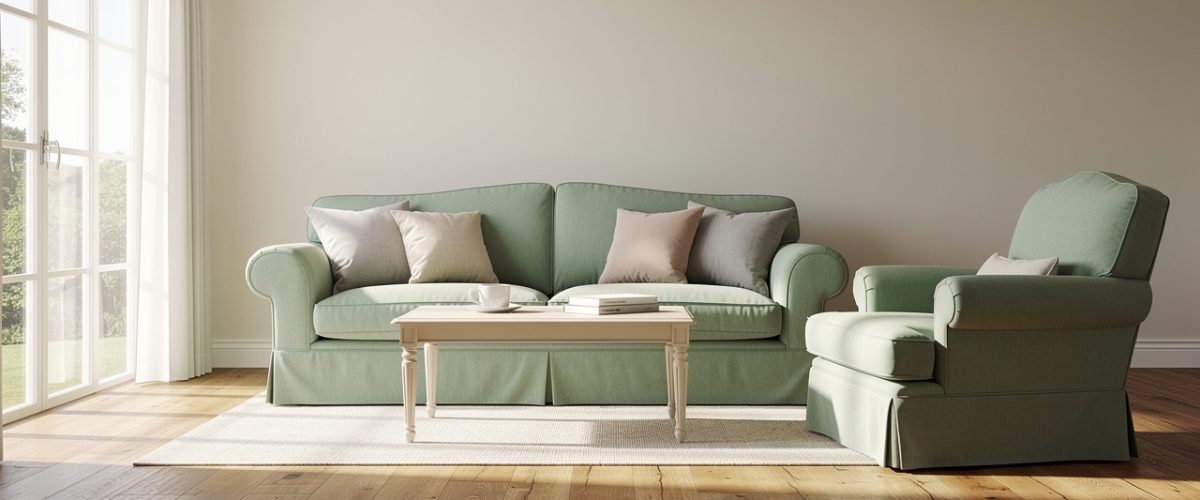
Introduction
Many of us have stared at a much‑loved sofa and wondered if it has reached the end of the line. A stained armchair can make a whole room feel tired, even when the frame still feels rock solid. And because furniture is such a big part of feeling proud of a home or business, it can be disheartening when it seems as though the only way to “get ahead” is to throw things out and start again.
People often assume that worn or dated upholstery means the furniture has to go. New pieces are ordered, the old ones head towards landfill, and the cycle repeats a few years later. Yet the frame, springs and shape are often perfectly sound. The real issue is usually fabric, not structure. That is exactly where loose covers change the story.
Loose covers give sofas, chairs and stools a second life by dressing the existing upholstery in new, removable clothing. They look refined rather than temporary, they protect what is underneath, and they can be washed, swapped and refreshed without replacing the furniture itself. For homeowners, interior designers and business owners, that means style, practicality and smarter spending in a single step.
In this guide we explain what loose covers are, how they work, the types available, and when they make more sense than full reupholstery. We also show how our team at Newlook Upholstery, drawing on forty‑five years of Welsh craftsmanship, measures, makes and fits covers that look as if they grew on the furniture. By the end, you should see a clear path to keeping good furniture in service for many more years, without compromise on comfort or design.
What Are Loose Covers? Understanding The Fundamentals
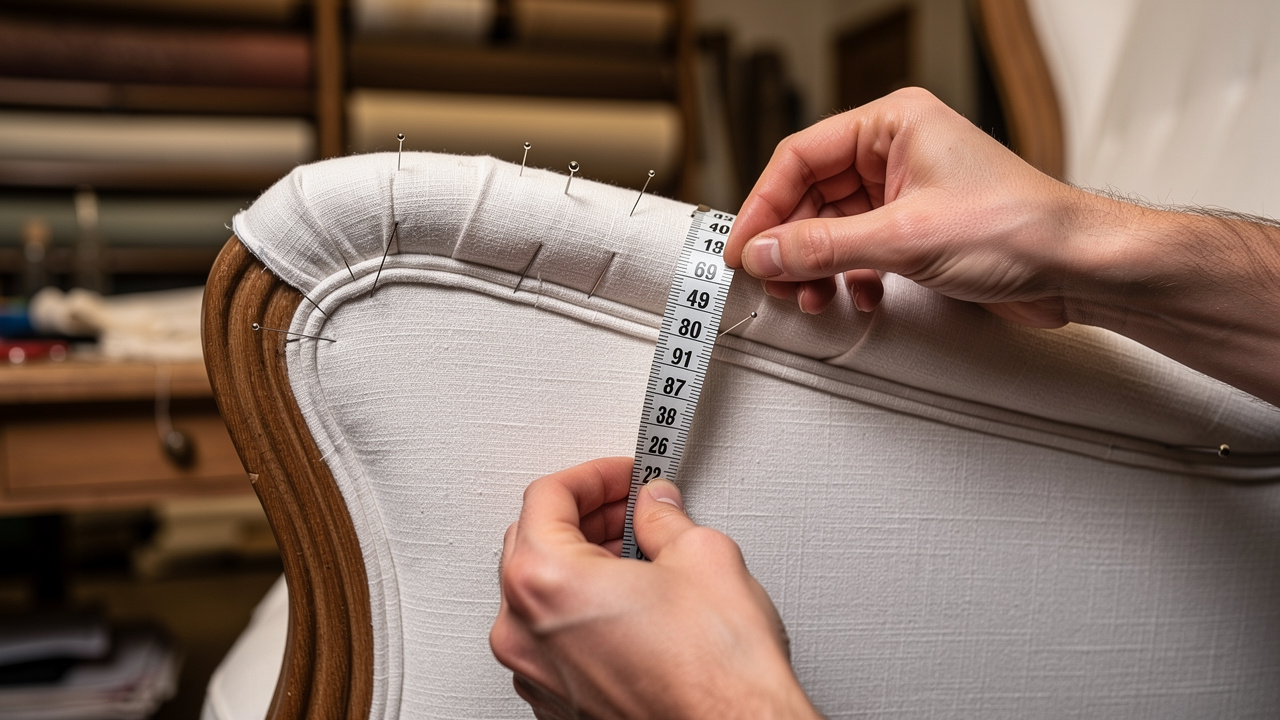
Loose covers are custom‑made fabric covers that sit over the existing upholstery of a sofa, chair or footstool. They are cut and sewn to follow the lines of a specific piece, so they sit neatly rather than sagging like a generic throw. The key point is that they are removable, which places them in a different category from fixed upholstery that is stapled or tacked to the frame.
The main purpose of loose covers is to change or refresh the look of furniture without stripping it back to the frame. When we fit a new set of covers, the original fabric usually stays in place underneath, protected from further wear. From the room’s point of view, though, the item looks as though it has brand new upholstery.
These covers are not “one size fits all” items pulled from a box. They are measured and sewn for each sofa, armchair, dining chair, bench or conservatory piece. That is why well‑made loose covers hug the arms, follow the cushions and sit neatly around the base, rather than shifting around every time someone sits down.
Removability is the real hallmark. It allows the covers to be taken off for washing or dry cleaning, and it means a single frame can wear more than one “outfit” over its life. For many homes and commercial spaces this is a practical way to deal with pets, children, stains and changing décor. Rather than thinking of furniture as disposable, loose covers support a way of “reloving” it, keeping the core structure in use for far longer.
Behind that neat finish sits a careful measuring and cutting process. Whether we visit in person or work from existing covers, every seam, curve and cushion line is planned so the finished set looks considered and intentional, not improvised.
The Compelling Benefits Of Choosing Loose Covers
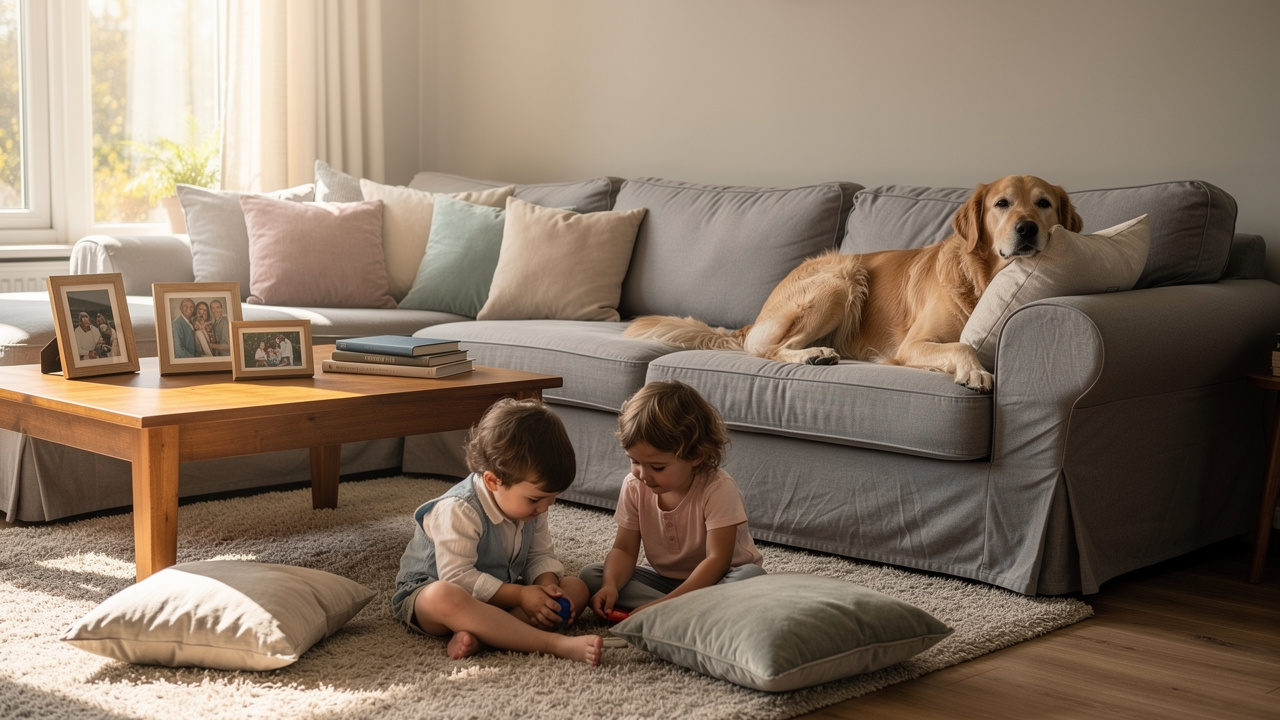
Choosing loose covers is about more than just a new fabric. It affects daily life, budgets, and how much waste a home or business produces over time. When we talk clients through the options, a few advantages come up again and again.
Key benefits of loose covers include:
-
Practicality For Busy Homes
Spills, muddy paws and sticky fingers are part of real life. With fixed upholstery, a serious stain can mean costly cleaning or living with a mark that never quite disappears. With removable sofa covers, the fabric acts as a shield. In many cases it can go straight in the washing machine at a low temperature, then back onto the furniture once dry. That keeps seating looking and smelling fresh without specialist cleaning bills. -
Cost‑Effective Refresh
Replacing a good quality sofa or restaurant banquette simply because the fabric looks tired is an expensive step. A well‑made set of loose covers gives almost the same visual effect as a new piece, at a lower cost than full replacement or very involved reupholstery work. For hospitality and office clients with multiple seats, that difference adds up quickly. -
Style Flexibility
Because the covers come off, it is possible to move from a relaxed cotton look to a rich velvet look, or from a patterned fabric to a plain one, without changing the underlying frame. Some clients choose one set for a light, airy summer feel and another for a warmer, cosier winter mood. Others use loose covers to update inherited pieces so they sit comfortably in a more modern scheme. -
Hygiene And Allergy Benefits
Dust, pet hair and pollen work into upholstery fabrics over time. Being able to remove the covers for regular washing helps keep allergens down and makes a living room or guest area feel genuinely clean. This matters in homes, but it is equally important in hotels, guesthouses and offices where many different people use the same seats. -
Speed And Convenience
Full reupholstery usually means the furniture leaves the property for a period. With made to measure loose covers, especially when we copy existing ones, the sofa or chair can stay in place and in use while the new set is made. Once ready, fitting is usually a quick visit or a simple job the owner can do themselves. -
Reassurance And Durability
Good cover makers stand behind their work with clear guarantees and long‑lasting fabrics. When we fit loose covers at Newlook Upholstery, we expect them to serve for years, not months. That peace of mind makes decisions far easier, especially when someone is choosing covers for a whole room or venue.
Sustainability And Environmental Responsibility
Furniture waste is a serious issue in the UK. Large items are bulky to transport, hard to recycle and often end up in landfill even when the frames still have many years of life in them. Every time a sound sofa is discarded for the sake of faded or marked fabric, more timber, foam and metal have to be manufactured for its replacement.
Choosing loose covers takes a different path. Instead of discarding the whole item, we keep the structure and simply renew the surface. That fits well with circular design thinking, where products are kept in service for as long as possible and refreshed rather than thrown away. A furniture restoration can often handle several sets of covers over its life, which means extra decades of use rather than just a few more years.
Fabric choice can support this further. Many mills now offer eco‑conscious options, such as recycled polyester blends or eco velvet with a very high recycled content. When we combine those fabrics with loose covers on an existing frame, the environmental impact drops sharply compared with buying brand new furniture.
“Have nothing in your houses that you do not know to be useful or believe to be beautiful.”
— William Morris
For homeowners and business owners who care about waste and resource use, this is a simple, practical way to do better. The room still looks smart, guests still sit in comfort, but far fewer lorry loads of furniture head for the tip.
Types Of Loose Covers Finding Your Perfect Fit
Not all loose covers behave in the same way. The fit, the feel and even how easily they go on and off depend on the type of cover chosen. In broad terms, we tend to work with three main styles, each suited to different furniture shapes, budgets and preferences.
Understanding the difference between stretch fit, structured non‑stretch and traditionally crafted covers helps people decide what will work best for their home or venue.
Stretch Fit Covers Easifit Style
Stretch fit covers use fabrics with built‑in elasticity, often with a small amount of elastane in the weave. This give allows the material to cling gently to the curves of arms, backs and cushions, which is why these loose covers work on such a high percentage of sofa and chair shapes. Even pieces with slightly awkward proportions usually accept a stretch cover very well.
Because the fabric flexes, this style is very user friendly. Putting them on is much like pulling on a well‑cut garment. They slip into place, can be adjusted by hand, and are just as easy to remove for washing. After a gentle machine cycle they tend to spring back to shape, which helps them sit smoothly with minimal creasing.
Stretch fit covers are also kind to the budget while still looking smart. For many family homes, student houses and busy rentals they strike a good balance between price, practicality and appearance. An elasticated base can be added so the hem grips the bottom of the furniture, helping the cover stay tidy in daily use.
Structured Non Stretch Covers Designer Style
Structured non stretch covers are made from more traditional upholstery fabrics such as cotton, linen, chenille or velvet. These materials do not stretch, so the fit comes entirely from careful measuring and cutting. When done well, this gives a crisp, shaped outline that is close to the look of fixed upholstery.
The range of colours, textures and patterns in this group is wide. Everything from smart herringbones and checks to plain cotton weaves and rich velvet sits in the non stretch camp. Many of these fabrics are still compatible with machine washing, particularly the cotton‑based ones, so owners keep the practical benefits that make loose covers so appealing.
This style suits people who like a more formal, structured finish. Classic wing chairs, traditional scroll‑arm sofas and neat dining chairs all look very at home in a non stretch cover. It is a strong choice for living rooms, hotel lounges and offices where a sharp, professional appearance matters.
Traditionally Crafted Premium Covers
Traditionally crafted covers sit at the top of the loose covers range. Here, an expert patterns the piece directly, often visiting the property to work on the actual sofa or chair. Fabric or patterning material is pinned and cut on the furniture itself so that every curve, seam and panel follows the original shape very closely.
The result is a cover that is hard to tell apart from full reupholstery at first glance. Seams line up exactly where the frame dictates, cushions sit snugly in their places, and the base hangs in a very precise way. Yet the cover still comes off for cleaning or future fabric changes, which many clients see as the best of both worlds.
These premium covers are ideal for valuable pieces, unusual shapes or important rooms where the standard of finish needs to be very high. They are also a favourite for interior designers who want a specific look for a project but still value the flexibility that loose covers provide. With the right fabric choice, many of these sets remain washable, so beauty does not come at the expense of daily practicality.
The Made To Measure Creation Process From Consultation To Completion
However a cover is cut, accurate fit sits at the heart of good work. People sometimes worry that the process will be complicated, but in practice it usually follows one of two clear paths. We either visit to measure and advise in person, or we work from existing covers sent in to us.
Both methods can produce excellent loose covers. The difference lies in the level of guidance needed and how hands‑on the client wishes the process to feel.
The In Home Consultation Method
The in home approach starts with a simple booking. We arrange a free, no‑pressure visit at a time that suits the household or business. This is especially helpful for first‑time clients who are not yet sure which fabrics or cover type will be right for them.
On the day, we bring a broad selection of fabric samples so they can be seen in the room’s own light. That makes it much easier to judge how a colour will sit with existing walls, floors and curtains. During the visit we talk through how the furniture is used, how often covers are likely to be washed, and what kind of look the client prefers.
We then examine the furniture in detail. Style, construction and any quirks are noted, such as shaped arms, curved backs or separate scatter cushions. After that comes a careful measuring stage. For fully shaped loose covers this can involve one hundred to one hundred and fifty separate measurements, and for premium covers we may also create a physical pattern directly on the furniture.
All this information returns to our workshop, where our Welsh team cuts and stitches the new covers by hand. Once they are ready, we return to fit them, check that everything sits correctly and make any small adjustments needed. This method suits complex pieces, large projects and anyone who values guided, face‑to‑face advice.
The Copy Your Covers Method
The copy cover route is popular with people who already have loose covers and simply want a fresh set, or who prefer to manage everything from home. It begins with browsing fabric options online or through a lookbook, often with free samples posted out so the textures and colours can be judged properly.
Next, we ask for a few clear photographs of the furniture wearing its current covers. This helps our team confirm that copying is the right method and that the old covers are suitable to use as a pattern. Once that is agreed, we send out a pre‑paid bag or box so the existing set can be posted to our workshop.
The furniture stays in the property, ready for use, while we work. In the workshop, we carefully examine the old covers, sometimes unpicking them to turn them into flat pattern pieces. These shapes are then used to cut the new fabric so that the fit of the replacement loose covers closely matches the originals.
When the new set is ready, we send it back along with the old one for reference. Fitting at home is usually straightforward, as the pieces follow a familiar pattern, and the change in the room once the new fabric goes on is often quite striking. This method is normally quicker than arranging a home visit and suits busy clients who are comfortable following simple fitting guidance.
Fabric Selection Materials, Colours, And Performance
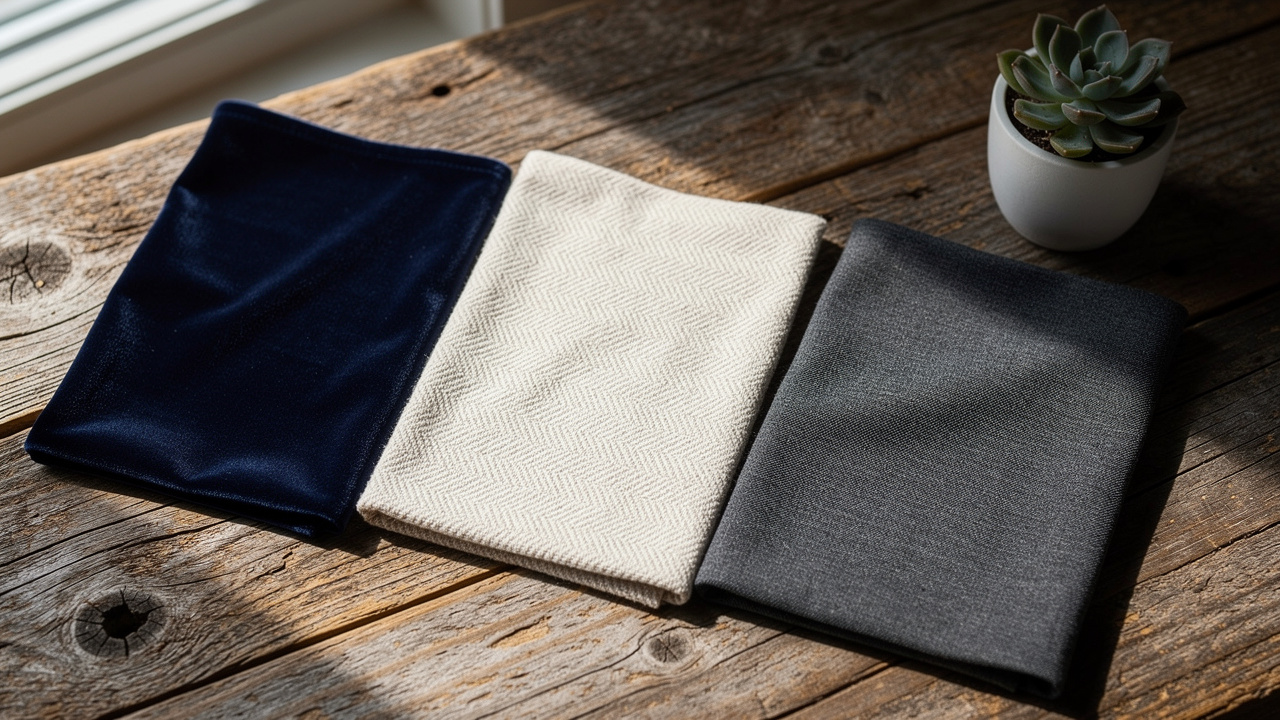
Fabric is where loose covers become personal. The same sofa can feel casual, glamorous, country or urban depending on what it wears. At the same time, the material has to stand up to the amount of use and washing the piece will see.
We guide clients to think about both appearance and performance. A beautiful fabric that shrinks badly or wears through in a year is no gain, while a practical cloth in the wrong colour can leave a room feeling flat.
Popular Fabric Types And Their Characteristics
Some of the most popular fabrics for loose covers include:
-
Cotton And Cotton Blends
Cotton weaves breathe well, feel comfortable against the skin and are available in a huge range of shades. Modern cotton blends can be surprisingly hard‑wearing, with smooth or textured finishes that suit everything from family rooms to smart offices. Many can be washed at home on a gentle cycle, which is a strong plus for everyday seating. -
Velvet
Velvet appeals to those who like a richer look. The short, dense pile catches the light and adds depth to plain colours. Older velvets had a reputation for being delicate, but newer versions, especially polyester mixes, cope much better with wear. Eco velvet options now use high levels of recycled fibre, which pairs well with the reuse benefits of loose covers on existing frames. -
Herringbone And Checks
Herringbone fabrics bring a subtle V‑shaped texture that reads as refined without shouting for attention. In smoky greys or soft neutrals, they work particularly well on traditional armchairs and sofas. Checked patterns, such as classic Highland styles, add character and a sense of warmth that suits cottages, pubs and relaxed family spaces. -
Performance Fabrics
Performance fabrics like Aquaclean have become a favourite in busy homes and commercial spots. These textiles have a special finish that allows many common stains to be lifted with water alone, without harsh cleaning agents. Combined with the removability of loose covers, they offer strong defence against spills and marks in areas where accidents are likely.
When we help select fabrics, we also look at technical details such as abrasion ratings, colour fastness and care instructions. These quiet details often decide how long a cover will keep looking good in real life.
Understanding Colour Palettes
Colour sets the mood of a room before anyone even sits down. Grey ranges from pale misty tones to deep charcoal and has become a go‑to neutral because it pairs easily with wood, metal and strong accent shades.
Natural shades such as oatmeal, pearl and vanilla keep spaces light and calm, which is especially helpful in smaller rooms. Blues, from gentle mineral tones to rich navy, feel restful and work nicely with both warm and cool accents. Greens, reds and pinks can either shout or whisper depending on depth, with deep emerald or ruby giving drama and softer blush or petal tones adding warmth without taking over.
We often suggest:
-
choosing one main sofa colour that works with existing flooring and walls
-
then adding bolder shades on cushions or a single accent chair
That way loose covers support the whole scheme rather than fighting it.
The Critical Importance Of Ordering Swatches
Screens can be misleading. A fabric that looks soft grey on a phone can lean blue or beige in real light, and texture never comes across properly on a flat image. Swatches solve this.
By handling samples at home or on site, people can feel weight, softness and texture, and can see how the shade behaves in daylight and in evening artificial light. Swatches can be moved around the room next to other textiles and finishes to check that everything works together. Because we offer swatches without charge, there is no guesswork and no nasty surprises when the loose covers arrive.
Customisation And Finishing Touches Valances And Piping
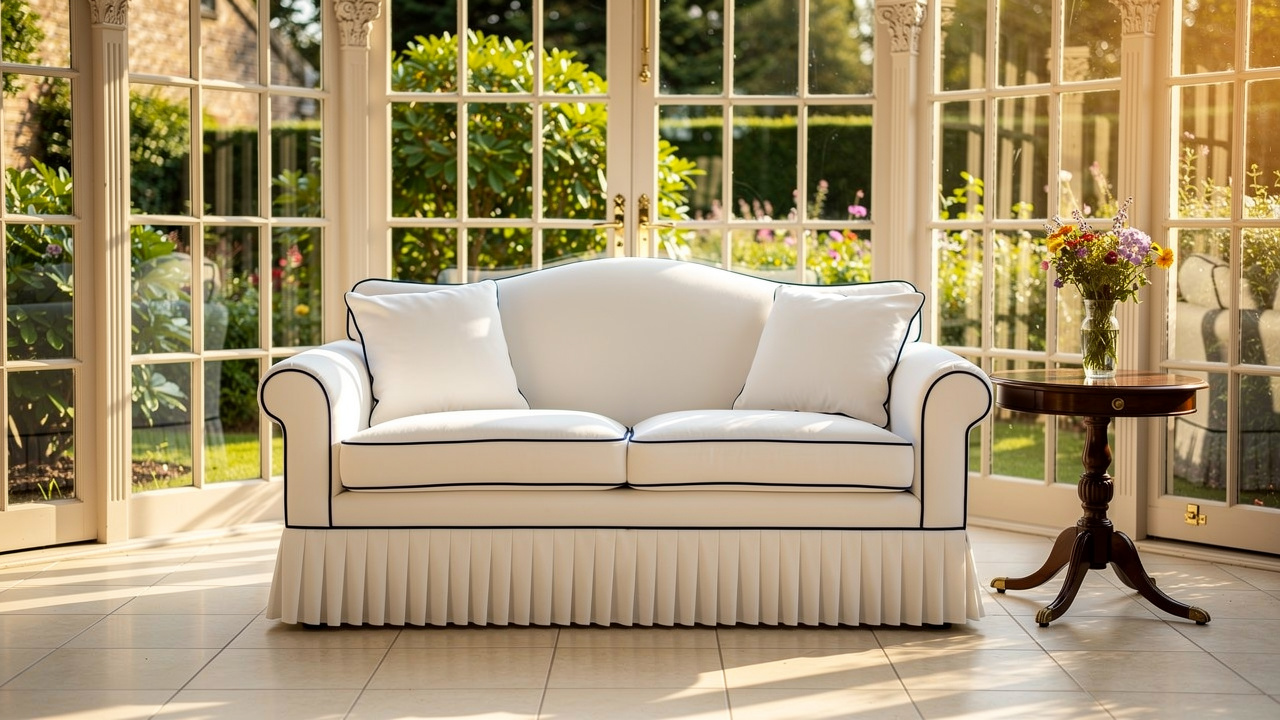
Two sofas can share the same fabric and still look quite different once the details are chosen. The way a cover finishes at the base, and whether or not the seams are highlighted with piping, has a big effect on mood and style.
We treat these choices as the final stage of the design, where loose covers move from simply “fitting” to really belonging in a room.
Valance Style Options
A skirted valance sends a clear message of comfort and tradition. The fabric falls from the base of the sofa or chair down towards the floor, usually with gentle folds at the corners. This hides the legs and gives a softer outline, which suits classic and country interiors very well.
Turn under bases take the opposite approach. Here the cover finishes neatly under the frame, allowing the legs to remain visible. On a sofa with turned wood or metal feet, this keeps those details on show and gives a more modern, airy feel. Many designers like this option when they want the room to feel open and uncluttered.
Pleated skirts add structure through regular folds running around the base. They look smart and deliberate, and they sit nicely in formal rooms or smart reception spaces. Knife pleats sharpen that effect by creating one crisp fold at each corner, which makes the lines very tidy. For a more relaxed look, unpleated corners keep the skirt but remove the extra folding, which softens the appearance.
For stretch fit loose covers, elasticated hems are common. The fabric grips around the bottom of the furniture so the cover stays put even when people sit down heavily or children clamber about. The right valance choice can quietly change how strong or gentle a piece feels in the space.
Piping Options
Piping runs along the seams and edges of cushions, arms and backs, and it works almost like a drawing line on the furniture. When we make standard piping in the same fabric as the rest of the cover, it lightly outlines the shape without stealing attention. This keeps things classic and works for most settings.
Leaving seams unpiped, so they read as plain stitched joins, gives a softer and more relaxed effect. Many modern and Scandinavian‑inspired schemes favour this look, as it keeps the focus on simple shapes and clean surfaces rather than on detail.
Contrast piping, where the cord is covered in a different colour or even a different fabric, is a simple way to add design interest. A dark line on a pale sofa can pick out the shape and echo other accents in the room, such as lampshades or artwork. Used carefully, this option makes loose covers look as though a designer has planned every curve.
Furniture Types And Brands We Cover
One worry we hear often is that a particular sofa or chair will be “too awkward” for loose covers. In reality, experience and careful pattern work make covers possible for almost every common furniture category, and for many well known brands.
This applies both to homes in South Wales and to commercial clients who may have long runs of seating from several manufacturers.
Versatility Across Furniture Categories
Custom loose covers work well on standard two, three and four seater sofas, as well as on corner and modular designs. Compact loveseats and snuggle chairs respond very well to fresh fabric, often becoming new focal points in the room.
Individual armchairs, club chairs, wingback chairs and accent chairs can all be measured and covered to respect their original lines. Dining chairs benefit from fitted covers that protect seats during daily use or special events, while still looking neat.
Footstools and ottomans often share fabric with their partner sofa, so giving them matching covers helps the whole set feel complete. Conservatory furniture made from cane or wicker can also wear loose covers, with fabrics chosen for good light resistance. Where only seat or back cushions are worn, replacement cushion covers alone can refresh the look without touching the frame.
Expertise With Leading Furniture Brands
Many high‑street and designer brands build frames that last far longer than their original fabric. Over decades in upholstery, we have seen and worked with a wide range of these makes, which helps us predict how new loose covers will behave on them.
Brands such as Multiyork, Parker Knoll, Laura Ashley, Collins and Hayes, Sofa Workshop and Ercol are regular visitors to our workshop. We also see many sofas and chairs from John Lewis, Next and Ikea, where clients want more fabric choice than the standard replacement ranges provide. Other respected names including Cintique, Parker and Farr and Willow and Hall also sit comfortably within our experience.
Knowing how these pieces are built means we understand their shapes, how the cushions sit and where seams should naturally fall. That knowledge feeds into patterns that respect the original design language while giving the furniture a fresh outer layer.
Loose Covers Vs. Reupholstery Making The Right Choice For Your Furniture
When a sofa or chair starts to look tired, the two main repair paths are new loose covers or full reupholstery. Both keep furniture in use and both can give very smart results, but they solve slightly different problems.
The best choice depends on the condition of the frame and padding, how the piece is used and how important removable covers are to the owner.
When Loose Covers Are The Ideal Solution
Loose covers shine when the frame, springs and cushions are fundamentally sound, but the surface fabric lets the piece down. If the main complaints are stains, fading or dated patterns, new covers usually solve them without major disruption.
The ability to remove and wash loose covers is a strong advantage in homes with children, pets or allergy sufferers. Regular washing keeps dust and allergens down and deals with spills before they become permanent. It also means short stays in holiday lets or hotel rooms feel fresher for each new guest.
Style flexibility is another strong point. Because covers can be changed, a single sofa can support several looks over its life. That might mean a calm scheme now and a bolder choice later, or different sets for different seasons. This is far cheaper than buying several sofas.
Costs and timing also support loose covers. Labour is less intense than full reupholstery, which brings prices down. Furniture often stays on site while the covers are made, and turnaround times are usually shorter. For many everyday pieces working within a sensible budget, made to measure loose covers are the obvious choice.
When Reupholstery Is The Optimal Choice
Reupholstery comes into its own when structure is the main issue. If springs are broken, webbing has failed or seat cushions have collapsed, simply adding new fabric will not restore comfort. In these cases, stripping the piece back to the frame allows every layer to be rebuilt and brought back to good health.
Some furniture designs are also better suited to fixed upholstery. Deep buttoned backs, very sculpted shapes and certain fixed‑back styles rely on tensioned fabric for their character. Trying to cover such items with loose covers can compromise the original design, so reupholstery serves them better.
With reupholstery, the fabric becomes part of the structure, pulled tight and fastened firmly in place. This can give a slightly crisper finish than even the best covers, and it removes any risk of movement. For valuable antiques, it also allows historically accurate methods and materials to be used, which keeps the piece closer to its original state.
Both approaches save furniture from landfill and respect the skill that went into making the frames. The decision usually comes down to whether fabric or structure is at fault, and whether removability and washing are a priority. We often inspect pieces for clients and explain honestly which path will give the best result.
Why Craftsmanship And Quality Guarantees Matter
Not all loose covers are created equal. Many people have seen or bought floppy, generic slipcovers that never sit quite right and need constant adjustment. Beside those, a well‑cut, made to measure cover is a different thing entirely.
The difference lies in skill, experience and the standards a workshop sets for itself, as well as in the promises it makes once the work leaves the bench.
The Hallmarks Of Expert Craftsmanship
Expert cover makers understand both fabric and furniture. They know how different weaves behave, how much ease to add and where seams can sit without spoiling the design. In our own workshop at Newlook Upholstery, our Welsh team cuts every panel by hand, rather than relying on crude templates.
Hand cutting and sewing allow patterns in the fabric to line up over cushions and arms, and they produce stronger seams than mass‑produced covers. Close attention to measuring means the covers follow the furniture rather than fighting it, so there is no sagging or bunching in daily use.
True made to measure work, whether from a home visit or copied covers, treats each sofa or chair as an individual. This is how loose covers achieve that fitted, intentional look which clients and designers expect.
“Quality is never an accident; it is always the result of intelligent effort.”
— John Ruskin
The Value Of Industry Heritage And Experience
Time in the trade builds judgment. With more than forty‑five years behind us, led by master upholsterer Paul Ingram, we have seen almost every kind of frame and fabric choice. That history helps us spot likely issues before they appear and suggest better options where needed.
Being a long‑standing, family‑run business in Wales also shapes how we work. Our name rests on every piece we send out, so we keep processes under our own roof instead of outsourcing. Traditional skills sit alongside modern design understanding, which lets us respect classic pieces and work confidently on contemporary ones as well.
Peace Of Mind Through Quality Guarantees
When a company is confident in its work, it shows in the guarantees offered and in the way questions are handled. Clear cover on workmanship and materials, often for several years, gives clients comfort that their investment is protected.
Good service does not end when the invoice is paid. A responsive team ready to advise on care, help with fitting or answer follow‑up queries makes the whole experience smoother. At Newlook Upholstery we combine this with transparent pricing and firm delivery commitments, so homes and businesses can plan around our work without unpleasant surprises. That support matters just as much as the loose covers themselves.
Complementary Accessories And Services For Complete Refresh
A fresh set of loose covers goes a long way, but sometimes the best results come from looking at the whole seating area. Cushions, arms and matching pieces can either drag the look down or help it sing.
That is why we often talk about additional items alongside the main covers, especially when a room or venue is having a wider refresh.
Replacement Cushion Infills
Fabric alone cannot fix flat, tired cushions. Over time, foam softens, fibre compacts and feathers lose loft. When that happens, even new loose covers will not hide the lack of support underneath.
By replacing cushion infills with new foam, fibre or feather units, we bring back the shape and comfort that made the furniture appealing in the first place. Combining new interiors with new covers gives both a visual and a physical lift, so the piece looks renewed and feels comfortable again.
Coordinating Scatter Cushions And Throws
Scatter cushions are an easy way to add extra colour, pattern and texture. They can match the main loose covers for a calm, joined‑up look, or pick up accent shades from rugs, art or wall colours for more interest. Changing cushion covers is also a simple way to refresh a room without large expense.
Throws bring in yet another layer. Draped over the back or arm of a sofa, they soften lines, offer extra warmth on cool evenings and give a casual protective layer in the spots where people tend to sit most often. Together, cushions and throws help new covers feel settled in their surroundings.
Protective Arm Covers And Additional Items
Sofa and chair arms take a lot of wear from hands, heads and drinks balanced on the edge. Arm covers, sometimes called arm caps, act as small shields in these areas. They are quick to remove and wash and slow down wear on the main loose covers, which is particularly helpful in busy homes and venues.
Matching covers for footstools stop them standing out awkwardly when the main furniture has been refreshed. For people who enjoy sewing or other crafts, buying the same fabric by the metre makes it possible to create curtains, blinds or extra cushions that align nicely with the new covers. Side arm boxes, which hang over the arm with pockets for remote controls, glasses or magazines, keep clutter tidy and can be made in the same fabric so they blend in neatly.
Taken together, these touches build a coherent, considered look that goes well beyond a simple fabric swap.
How Newlook Upholstery Brings 45 Years Of Welsh Craftsmanship To Your Home
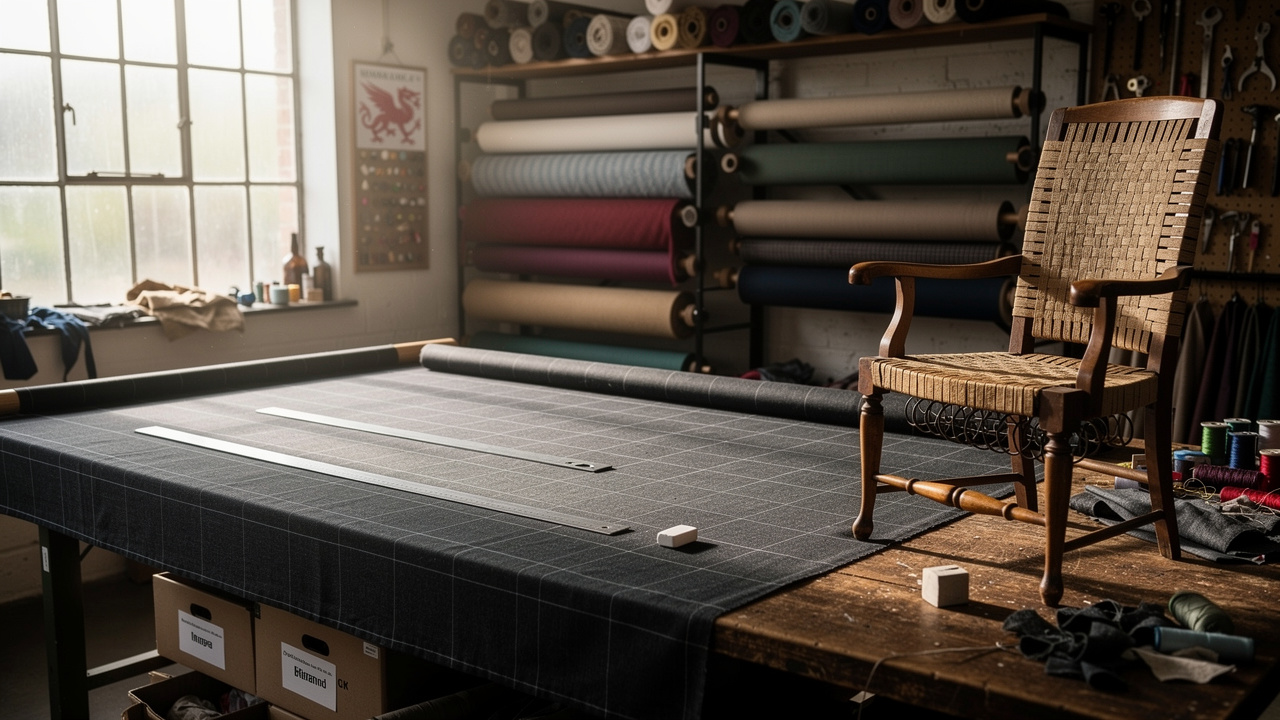
At Newlook Upholstery we have spent more than four decades helping furniture owners get more life and more pleasure from the pieces they already own. Based in Wales and led by master craftsman Paul Ingram, our workshop blends long‑standing upholstery skill with an eye for current design and colour.
All our work takes place in‑house, handled by our own trained team. We do not ship work away to unseen factories, so we keep close control over every stage from measuring to final fitting. That approach keeps quality consistent and lets us offer fair, transparent pricing, because there are no middle layers adding cost without adding value.
Our experience stretches across both domestic and commercial projects. For homeowners in South Wales we restore and refresh sofas, chairs and other cherished pieces with loose covers, repairs and complete reupholstery where needed. For bars, restaurants, hotels and offices we design and build seating that stands up to heavy use while still looking inviting, from booth seating to reception benches.
We also create custom seating for more specialised projects, including campervan and motorhome interiors. Across all of these areas, the aim remains the same. We listen carefully, offer honest advice and deliver work on time so homes and businesses can carry on with minimal disruption.
For anyone searching for Newlook Upholstery online, slight spelling slips such as “Newloo Upholstery” can sometimes appear, but there is only one workshop behind the name. Our focus is simple. We help people keep good furniture in service with loose covers, reupholstery and thoughtful design, so each piece earns its place for many years.
Conclusion
Worn or dated fabric does not need to signal the end for an otherwise good sofa or chair. As we have seen, made to measure loose covers can protect what is already there, refresh the look of a room and support more thoughtful use of resources, all at a sensible cost.
From practical benefits such as easy washing, better allergy management and quicker turnarounds, through to design freedom with fabrics, colours, valances and piping, loose covers offer a flexible way to keep spaces looking cared for. When matched with the right fabric and cover type, a solid frame can enjoy several new looks over its life instead of taking an early trip to landfill.
Craftsmanship makes the difference between covers that constantly need straightening and covers that feel like part of the furniture. Choosing an experienced, quality‑focused workshop means better fit, longer‑lasting fabrics and clear guidance at every step. That is the standard we set ourselves at Newlook Upholstery, backed by forty‑five years of Welsh upholstery experience and a commitment to in‑house work.
Every piece of furniture kept in service is one less item thrown away. If a sofa, chair or banquette in your home or business is structurally sound but tired on the surface, loose covers may be the answer. To explore fabrics, ask questions or arrange a no‑obligation chat, get in touch with our team. Together we can bring new life to the furniture you already own and help it earn its place in your space for many more years.
FAQs
Question 1 How Long Does It Take To Have Custom Loose Covers Made
Timescales vary slightly depending on the method used and how busy the workshop is, but there are some reliable guides. When we arrange an in home consultation, the full process from visit and fabric choice through to delivery and fitting usually falls somewhere between four and eight weeks. That allows for careful measuring, cutting, sewing and quality checks.
If we are copying existing loose covers, the time is often a little shorter, typically around three to six weeks once the old set arrives with us. Very complex furniture or specialist fabrics can add a little more time, while straightforward sofas in standard fabrics may be quicker. At Newlook Upholstery we agree clear timeframes at the start and keep to them so homes and businesses can plan with confidence.
Question 2 Are Loose Covers Suitable For Leather Sofas
Yes, loose covers can work very well on many leather sofas. This is especially helpful where the leather is cracked, worn or no longer suits the room, but the furniture restoration and comfortable. Covering the sofa keeps the original leather underneath, protected from further wear, while giving the outside a completely fresh look.
Because leather is smooth and can be slightly slippery, it is important that covers are cut for a snug fit so they do not shift easily. Stretch fit covers and carefully patterned premium covers both work well in this setting. We always check the specific shape and style of the sofa first and then recommend the best way forward.
Question 3 Can I Wash My Loose Covers In A Washing Machine At Home
In many cases, yes. A large share of fabrics used for loose covers today are designed with home washing in mind and perform well at a gentle 30 degree cycle. Cotton and many cotton blends wash particularly well, as do several stretch fabrics used for Easifit‑style covers.
The label or care guidance for the chosen fabric should always be checked before the first wash. Some luxury velvets or very delicate weaves may be better cleaned professionally. For performance fabrics such as Aquaclean, many marks can be lifted with water and light rubbing, which often reduces the need for full washing. We usually suggest refitting covers while they are still slightly damp and allowing them to dry on the furniture, as this helps them sit smoothly without excessive creasing. Air drying is kinder than tumble drying for most upholstery fabrics.
Question 4 Will Loose Covers Look As Good As Reupholstery
High quality, made to measure loose covers can come very close to the look of full reupholstery. When covers are patterned directly on the furniture or copied from well‑fitting originals, the resulting fit follows the frame closely, with clean lines and well placed seams.
Premium non stretch covers in good fabrics provide structured shapes that many people would struggle to tell apart from fixed upholstery at a glance. Fixed reupholstery may still have the final word in tautness, because the fabric is pulled tight and stapled, but covers offer the major advantage of removability. The key difference is not the method itself but the quality of the workshop carrying out the work. With skilled makers and good materials, loose covers can look every bit as refined as most people hope.
Question 5 What If My Furniture Is An Unusual Shape Or Size
Unusual pieces are often the most satisfying to cover. Because custom loose covers are made for individual items, they can handle shapes and sizes that standard shop‑bought covers simply cannot. Curved arms, irregular backs, modular sections and extra deep seats are all familiar territory for experienced makers.
Stretch fit covers work nicely on some awkward shapes thanks to their flexibility, while complex or very distinctive designs often benefit from a home visit and detailed patterning. Over decades we have seen many different frames, so we are rarely surprised by a new one. A short conversation and some photos are usually enough to judge what will work, and from there we can advise on the best method.
Question 6 How Do Loose Covers Stay In Place Will They Slip Off
Well made loose covers are designed to stay put during everyday use. The main defence against slipping is precise fit, with seams and panels cut to hug the furniture’s lines without excessive slack. On stretch fit sets, elasticated bases hold the hem against the underside of the sofa or chair, which keeps the cover steady when people sit down or stand up.
For non stretch options, careful tucking and the natural weight of quality fabric help maintain position. Some designs also use flaps that tuck into gaps between cushions and arms to anchor the cover. With bespoke upholstery, only minor straightening is needed from time to time, usually after washing or very heavy use.